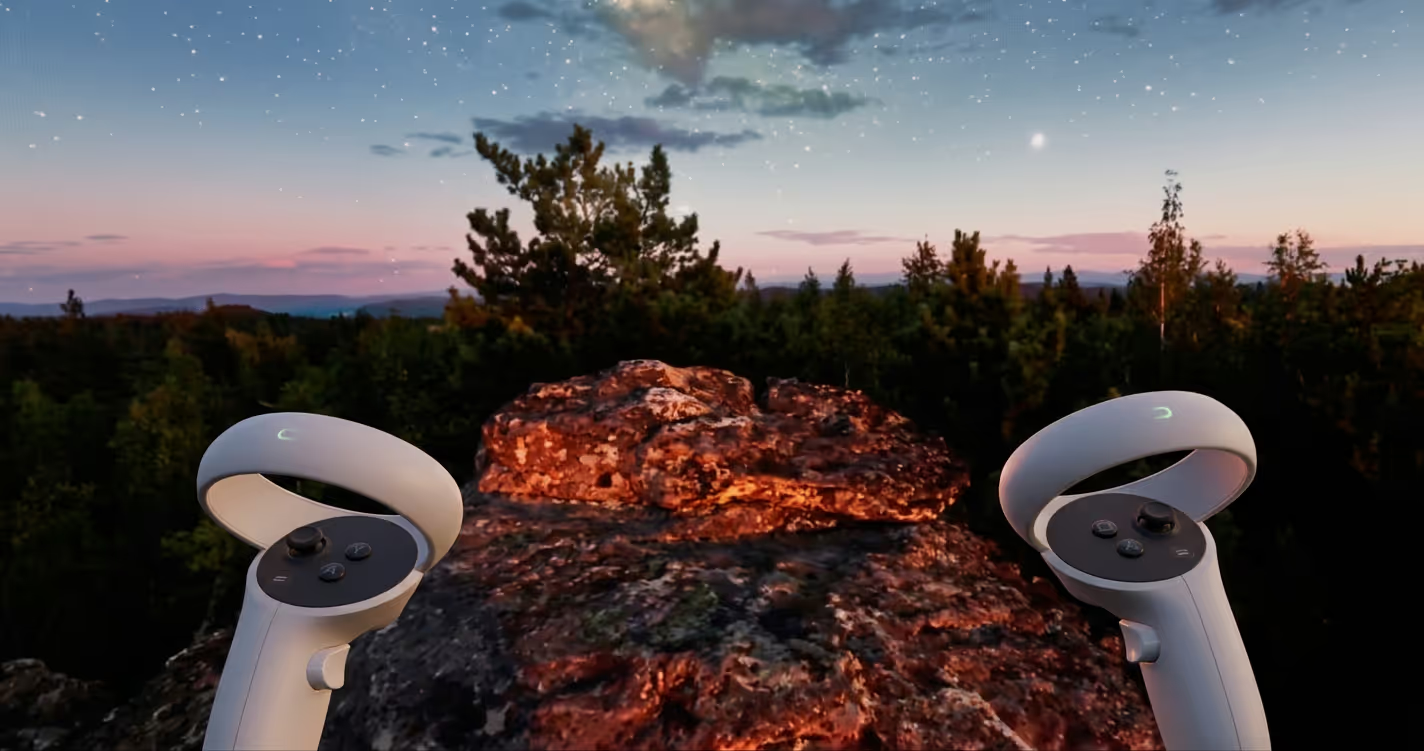
Team
Me
Timeline
6 Months
Tools
Figma, Unreal Engine, AFrame.js, Mural, Zoom
My Role
Design, Research, Development, User Testing
Residents of assisted living and palliative care patients struggle with a lack of independence having to rely on their care takers to assist them. Something as simple as a hand rail to hold onto is huge for providing them with independence.
I saw an opportunity to use technology to bridge the gap. I designed a multi-sensory experience system to enable patients to benefit from natures influence on the body in the comfort of their own home or hospice while providing them with idependence.
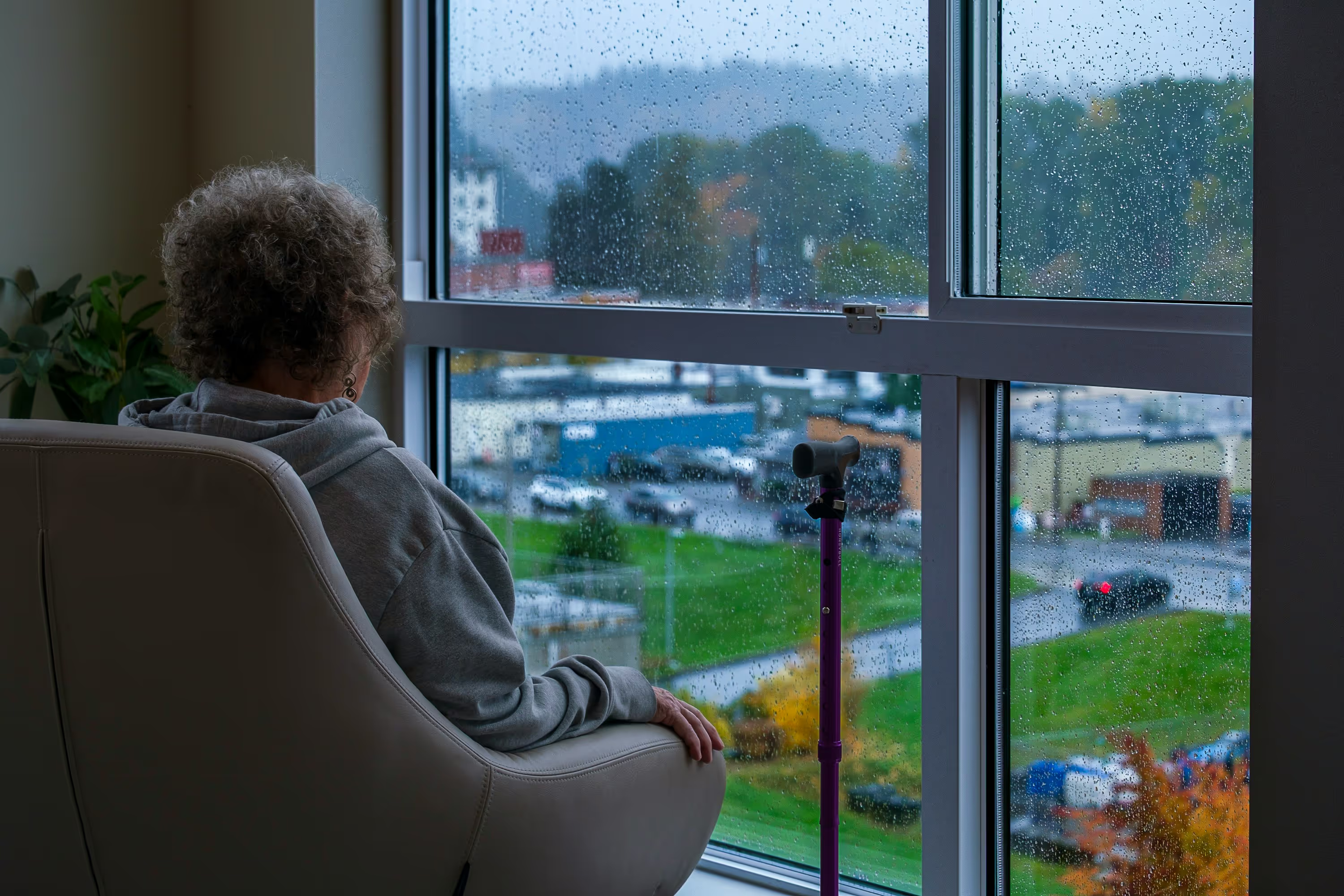
Ontario’s long term care is struggling with the demand outpacing capacity, being severely understaffed and historically underfunded.
For patients and residents who may rely on caregivers this can lead to a lot of downtime and waiting. The unique challenges of mobility issues, pain management, and the inherent risk of injury for patients makes going outside an uphill battle.
I met with the head of Sheridan’s centre for elder research and relied on secondary research to get an understanding of the challenges patients face and the technical research or testing that’s currently used in the field.
Patients with chronic or palliative conditions often face limited mobility due to health, financial, and physical barriers, along with pain, depression, and loss of independence. Research suggests virtual reality can help reduce pain, fatigue, anxiety, and depression, improving overall well-being.
Immersing yourself in natural environments lowers stress hormones, reduces blood pressure, and boosts immune function. Even short doses of outdoor exposure dramatically improve sleep quality, sharpen cognitive focus, and ease tension.
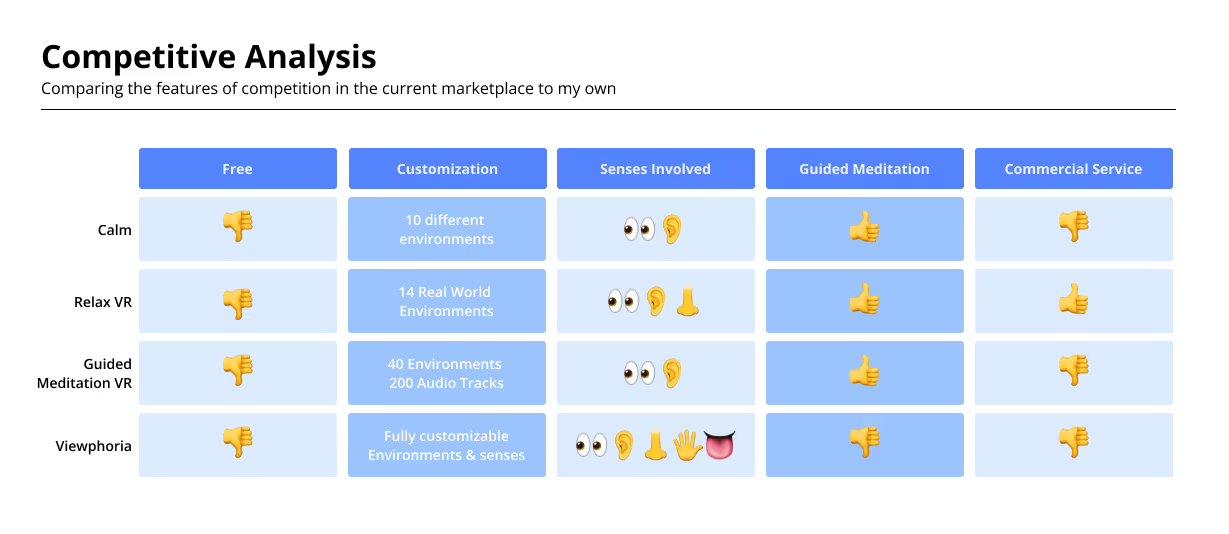
Comparing existing VR and calming products through the lens of comfort, accessibility, and independence for older adults made it clear no one had thought to include the other senses.
The existing journey revealed friction between caretakers and patients, where patients are at the mercy of their caretakers availability while they are with other patient.
This isn’t meant to be a dystopian matrix-style simulation to replace the real world, it’s meant to create new opportunities to deal with their challenges.
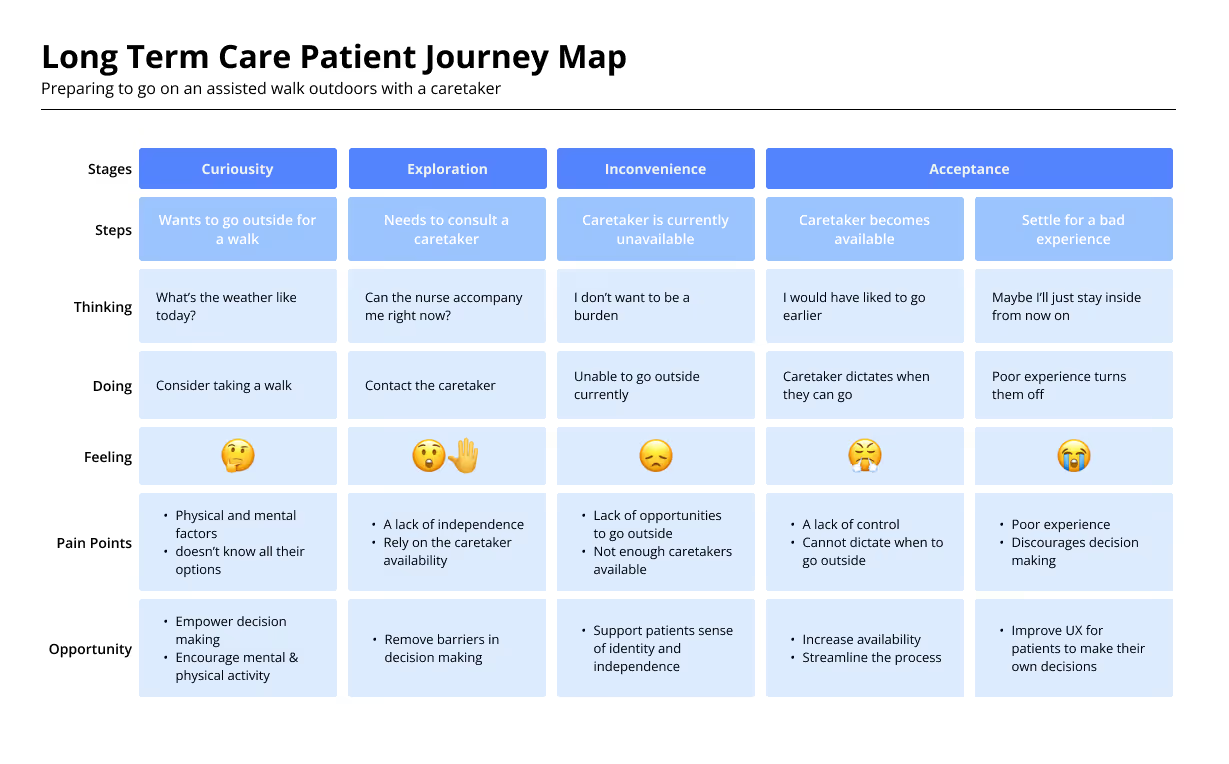
I initially struggled with how to approach the problem and it wasn’t till after my first iteration that I realized I was looking at the solution backwards.
Why create a location to attend like some school field trip (which would create an entirely different set of mobility and risk issues), I should be trying to bring the solution into their homes.
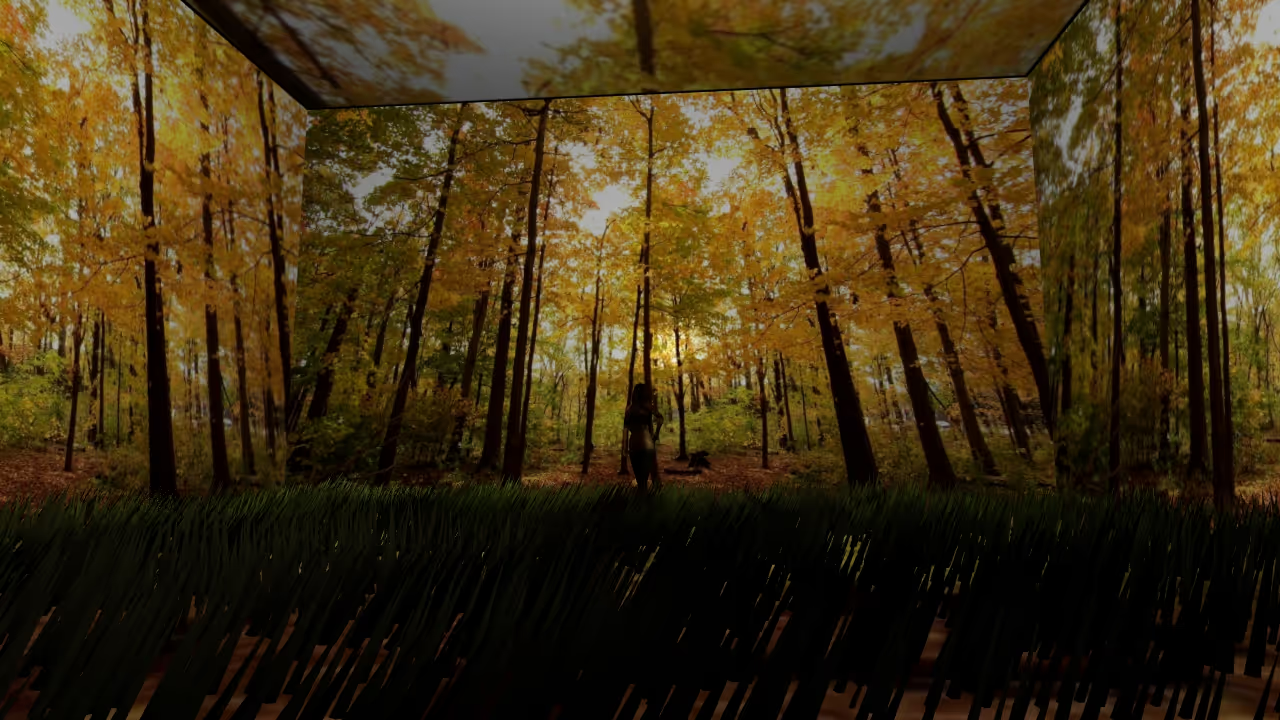
When I was first testing the idea a number of participants made reference to a specific place or memory that was special to them. It gave me the idea to use 360 degree videos of real locations, with the business opportunity to capture the unique real world places they hold dear.
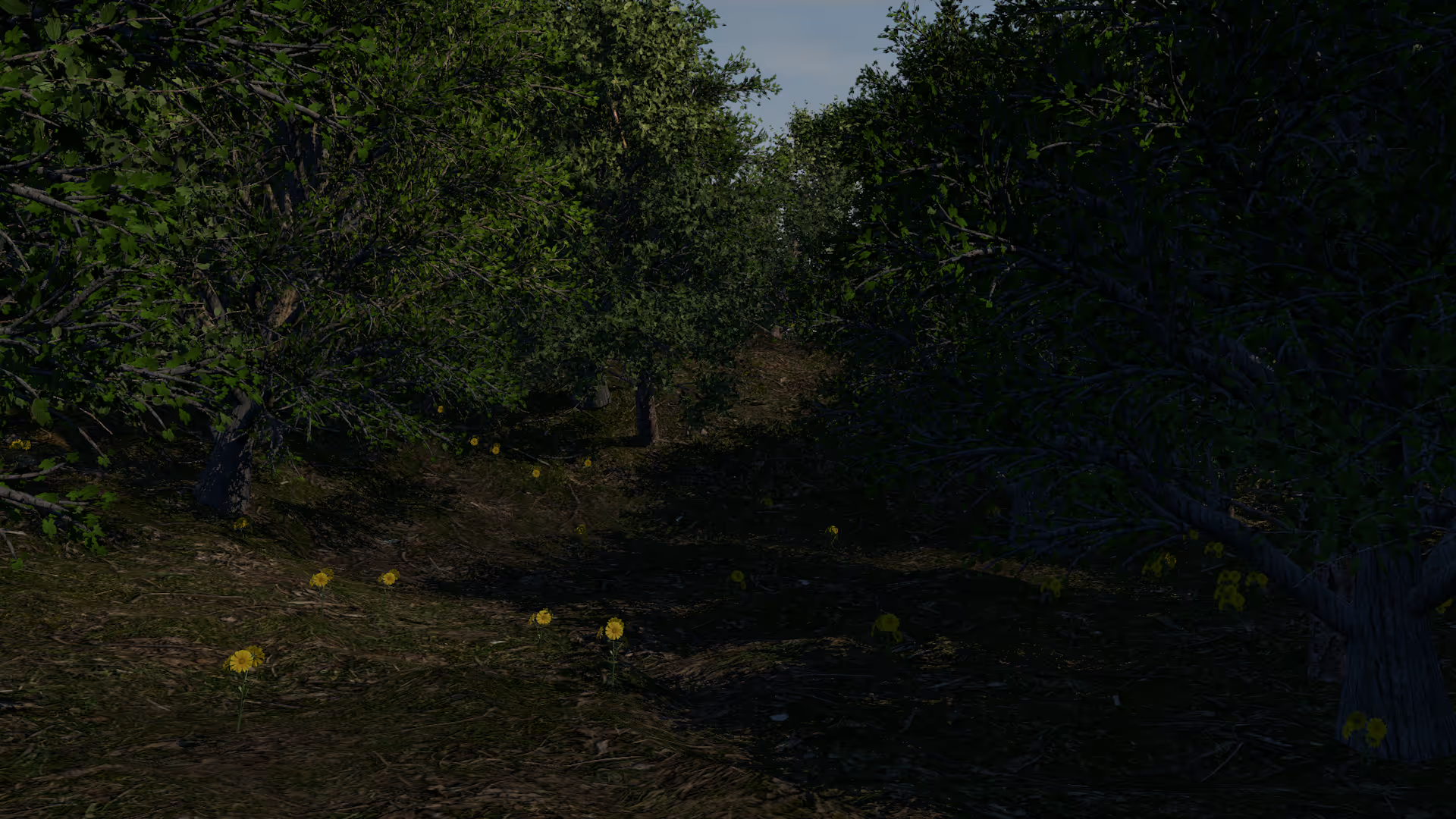
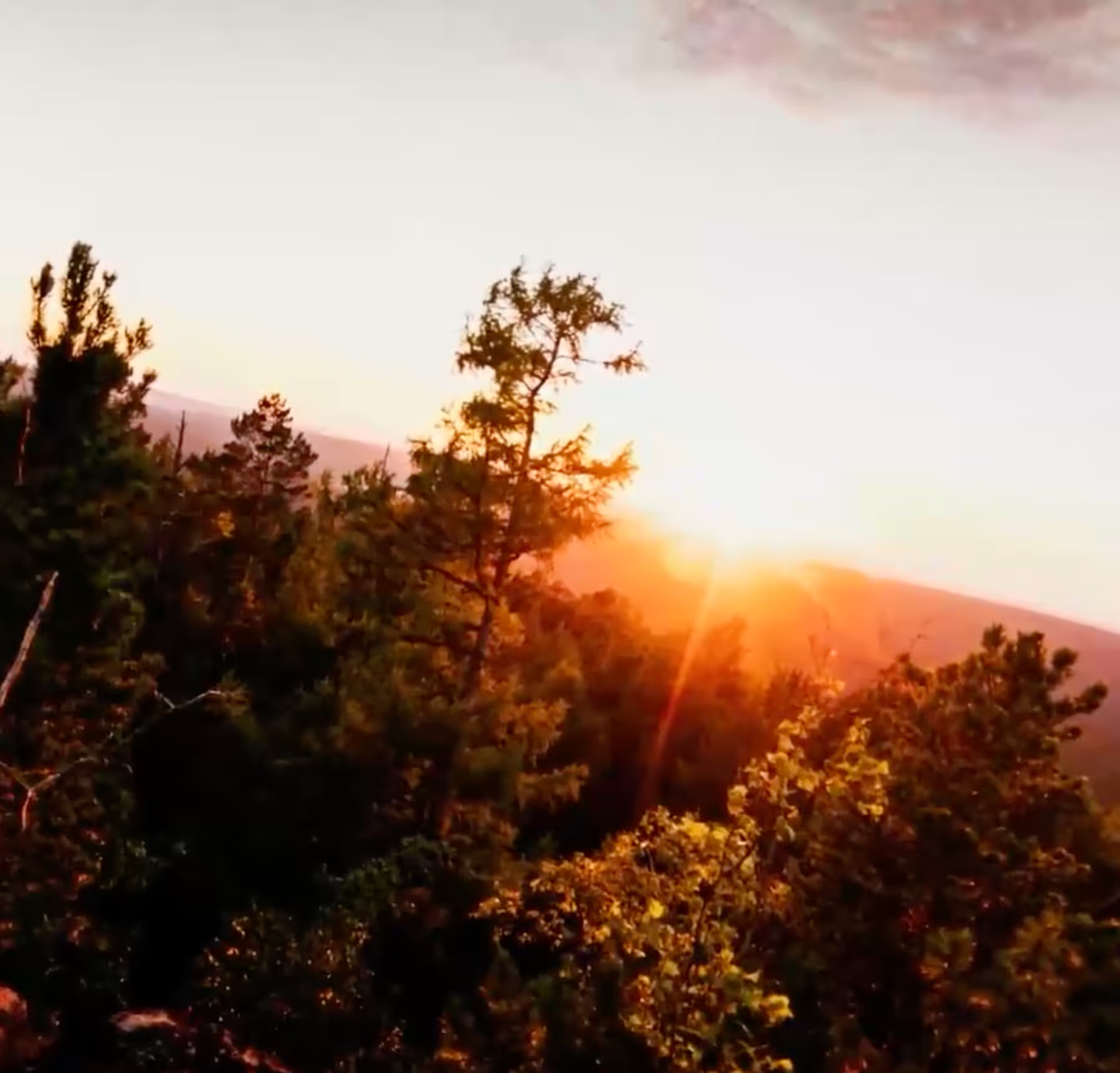
I had originally came up with a concept for companion app to go along with the experience. However, I decided against it to make the entire experience simple considering the age demographic didn't grow up along side technology.

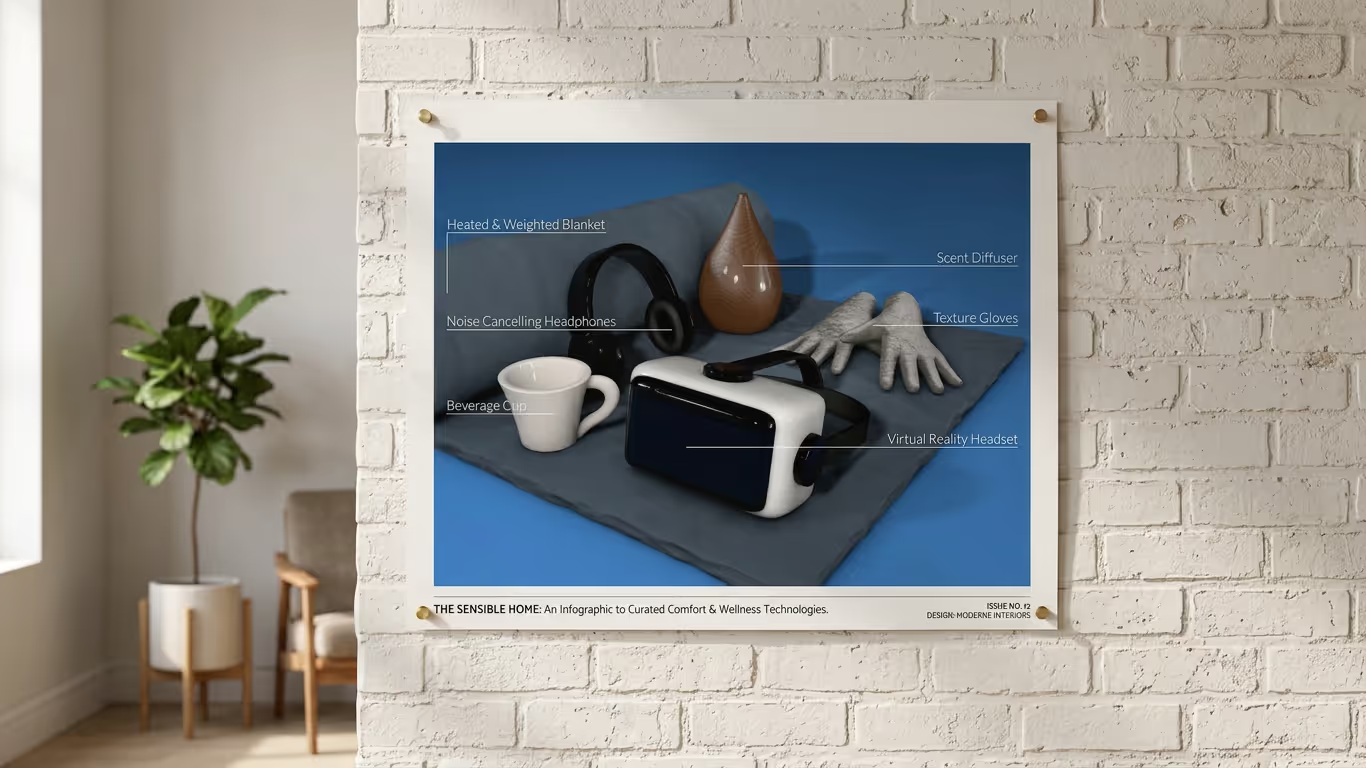
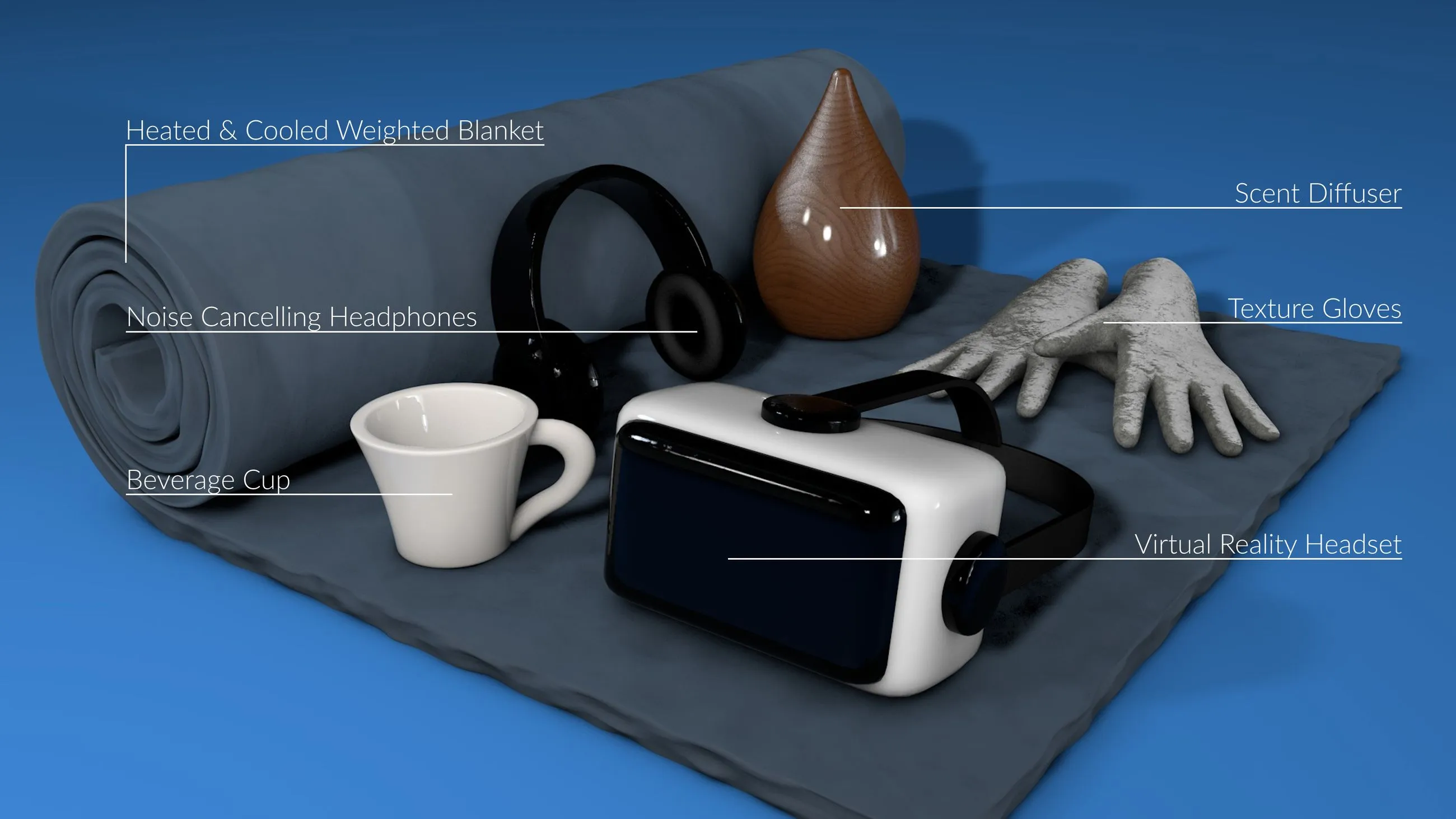
To create a truly immersive experience, I designed a multi-sensory kit with an individual artifact to address each of our five senses. You're not just seeing the environment, you're smelling it and feeling it too.
Visit that family college, favourite beach trip, or somewhere you've never been. apture that moment and visit it anytime you like.
Don't take the headset off to adjust things. Just look at your wrist and adjust as necessary.
The best motivation to solve a problem is to find a personal connection to it. Your solutions will be more meaningful and you’ll have a deeper sense of empathy for those you are solving for. If you lack a personal connection your solutions can feel empty and lack any real substance.