Team
Myself, Jasmine Bhogal
Timeline
7 Days
Tools
Adobe XD
Figma
Figma
My Role
UX/UI Design, Prototyping, Content writing
High school students interact with design constantly; they just don't see it. Unseen is a tablet app (built during a hackathon prototype) that makes that invisible layer visible, helping students recognize the design thinking already shaping their daily lives, and the career paths built around it. Through gamification, community, and transparency around real design jobs and pay, Unseen turns design from something abstract into something students can see themselves doing.
High level goals:
- Discover what design is and how they interact with it every day.
- Help them see the impact of good or bad design.
- Encourage them to explore jobs/careers in design.
- Inspire them to start their own career in design.
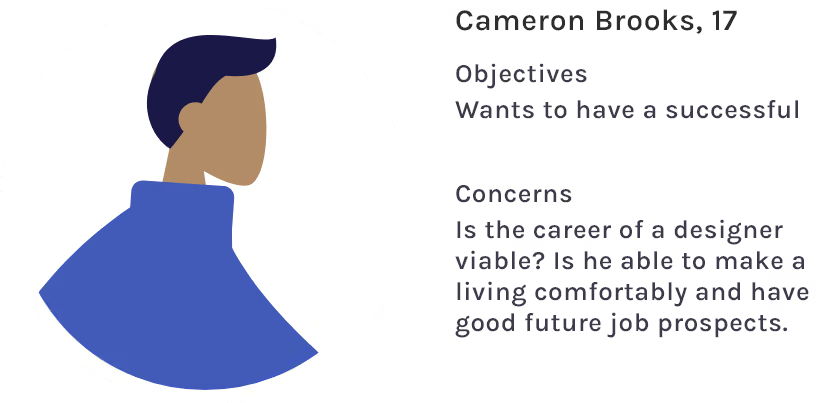
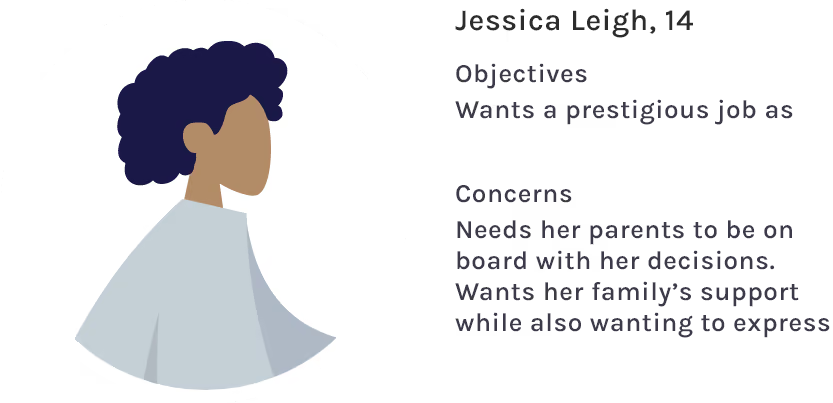
1. How do students interact with tech day-to-day?
2. Would this be used solo, or with peers/parents?
3. What actually gets a 13–18 year old excited about a career field?
To understand how students actually think about careers, not just design careers specifically, we interviewed students and mapped their responses across what they value in a future job, where they get career information, and their perceptions (positive and negative) of design as a path. This helped us see design through their existing framework, rather than assuming they'd evaluate it on its own terms.
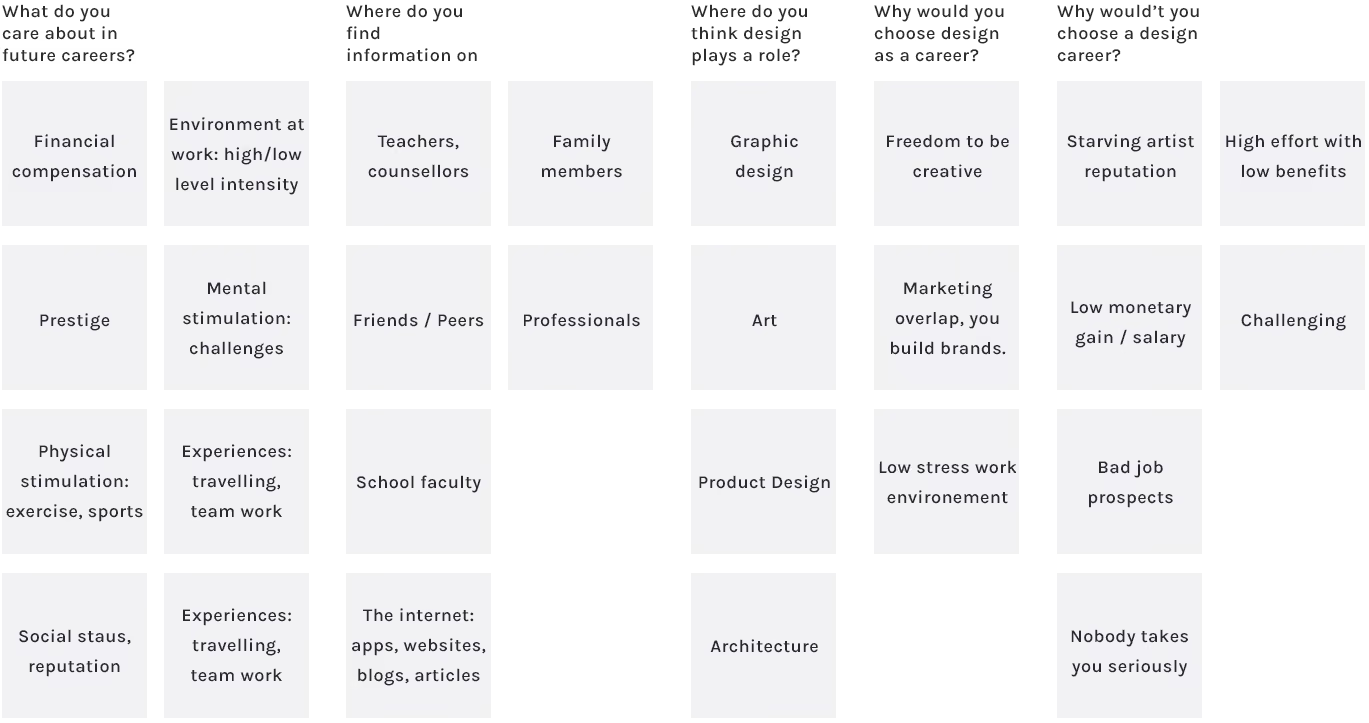
- Students don't see design as a "real" career path, and feel pressure from themselves and their parents to pick a more "successful” or “serious" career.
- Students don't recognize how much design surrounds them every day.
- Students underestimate the importance of design thinking and creative problem-solving as real, valuable skills.
1. The Legitimacy Gap:
Students don't see design as a "real" or safe career choice — competing against pressure, from themselves and their parents, to pick something more traditionally "successful."
Obstacle: Design reads as a risky or lesser path compared to careers that are already socially validated — so even curious students talk themselves (or get talked) out of it before exploring further.
HMW: How might we make a career in design feel as legitimate and viable as more traditional paths?
2. The Invisibility Gap:
Students interact with design constantly but don't recognize it — either as something happening around them, or as a skill/mindset they already practice.
Obstacle: Because design is invisible to them day-to-day, students underestimate both its relevance and their own natural aptitude for it.
HMW: How might we help students notice the design already shaping their daily life, and see it as a skill they already use?
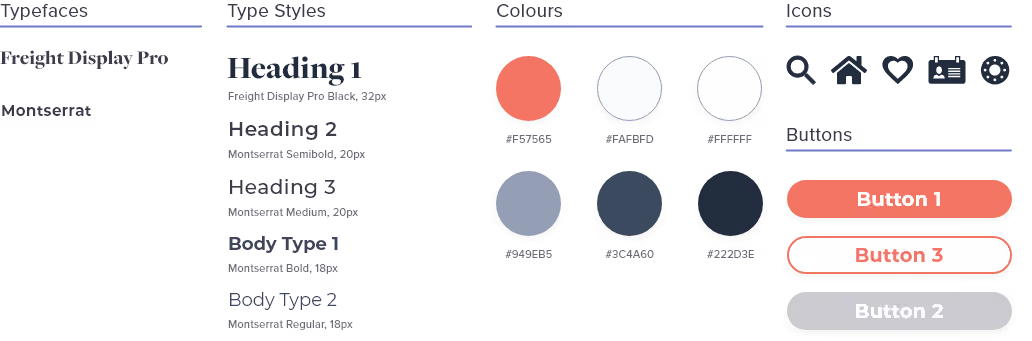
Freight Display Pro and Montserrat for contrast between personality and readability, paired with a coral-and-navy palette that feels energetic and age-appropriate for high schoolers.
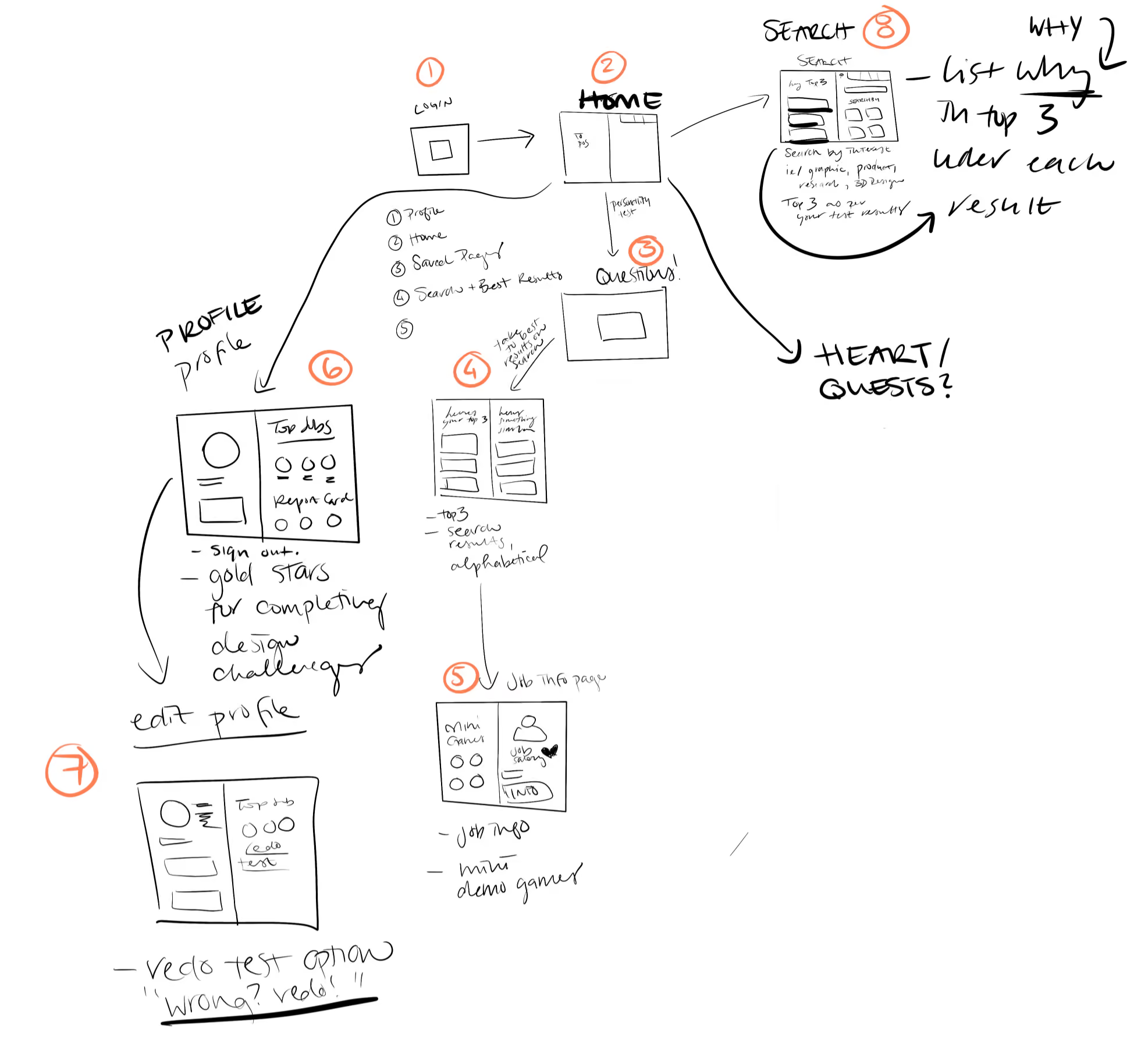
We sketched out our core screens on paper; login, home, search/results, job info, and profile. Mapping navigation and content structure while still leaving room to question and adjust flow (like where hearts/quests should live, or how search results should surface the "why" behind a match).
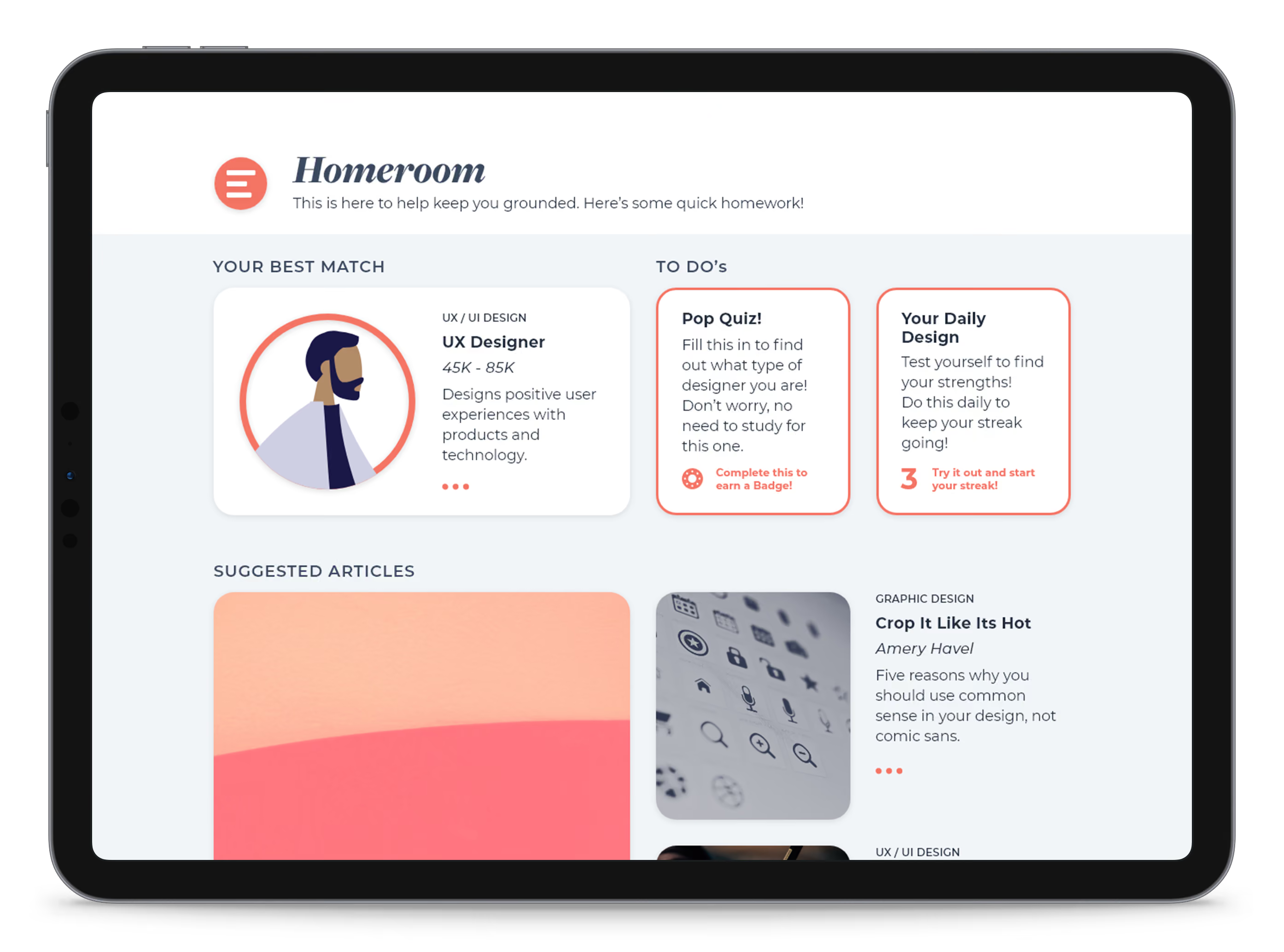
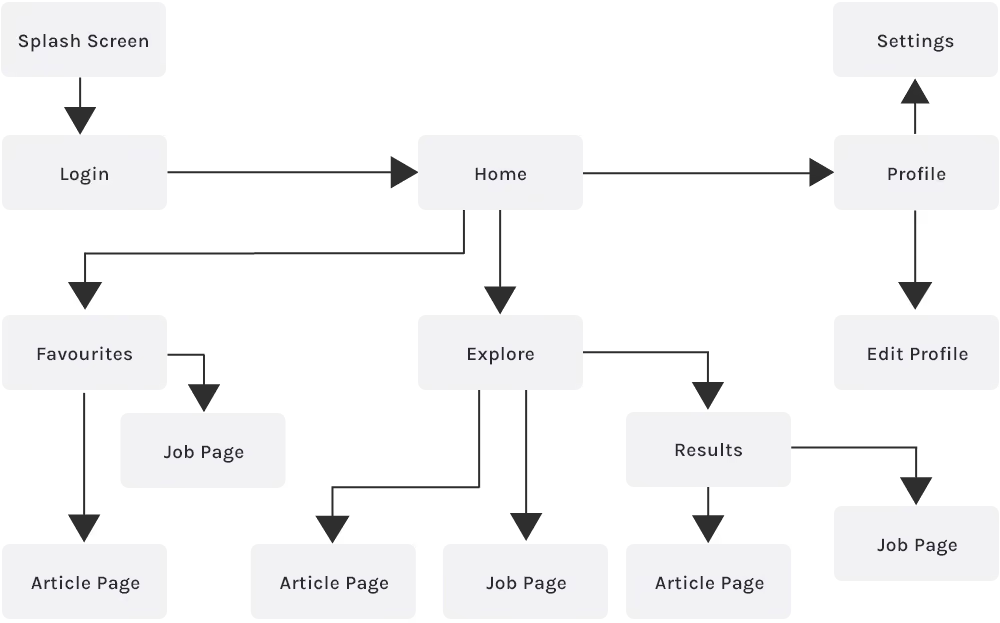
With our two core obstacles in mind; legitimacy and invisibility, we structured Unseen around two main paths from the Home screen: Explore, where students discover design in the world around them (articles, job listings, real-world design examples), and Favourites, where they can save what resonates with them to revisit later.
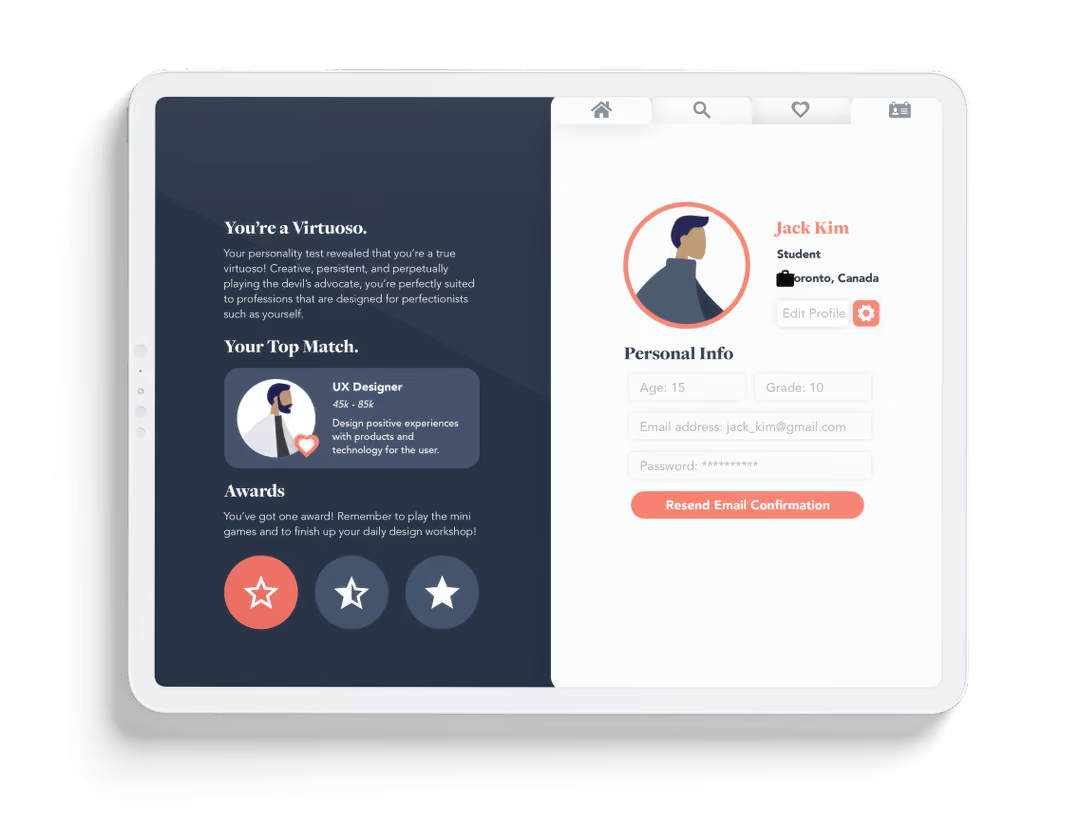
Key Feedback
- Pages lacked clear distinction. It wasn't obvious what each screen was for or how they differed from one another.
- The purpose behind badges was unclear. What motivates a student to collect them, and why should they care?
- The split-screen layout used too much horizontal space for how sparse the content often was.
- Students are incredibly social, look to include a social element.
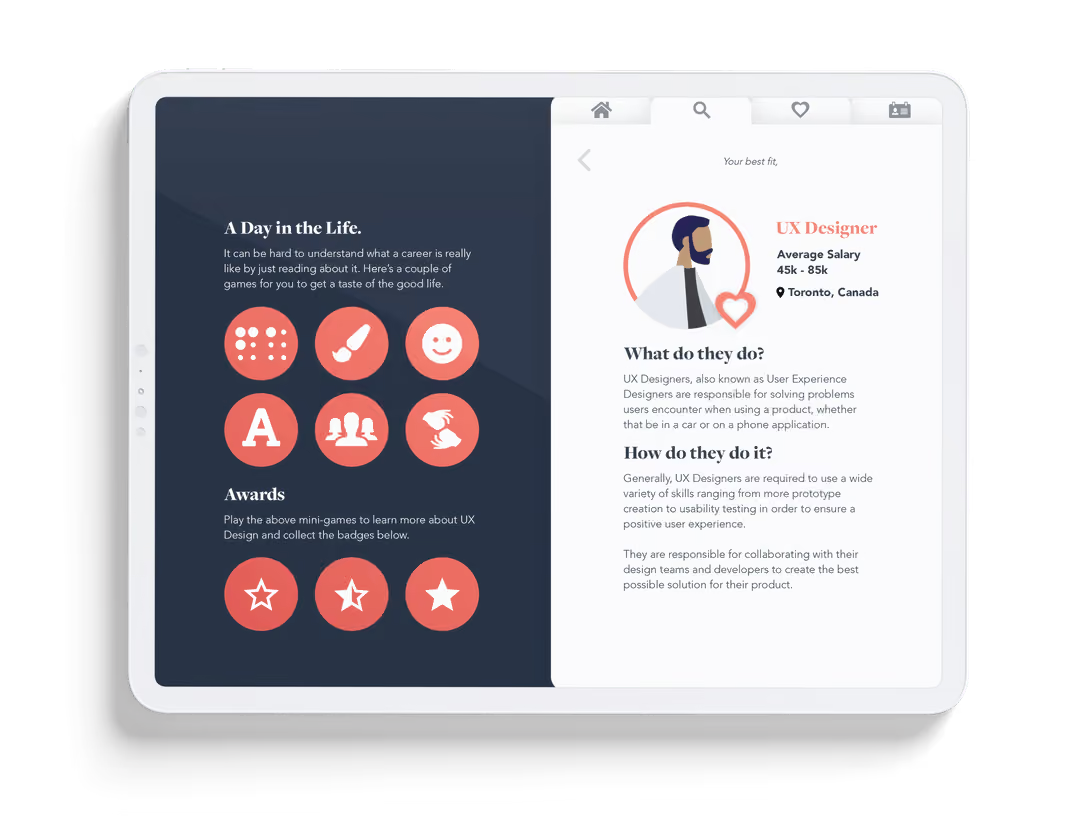
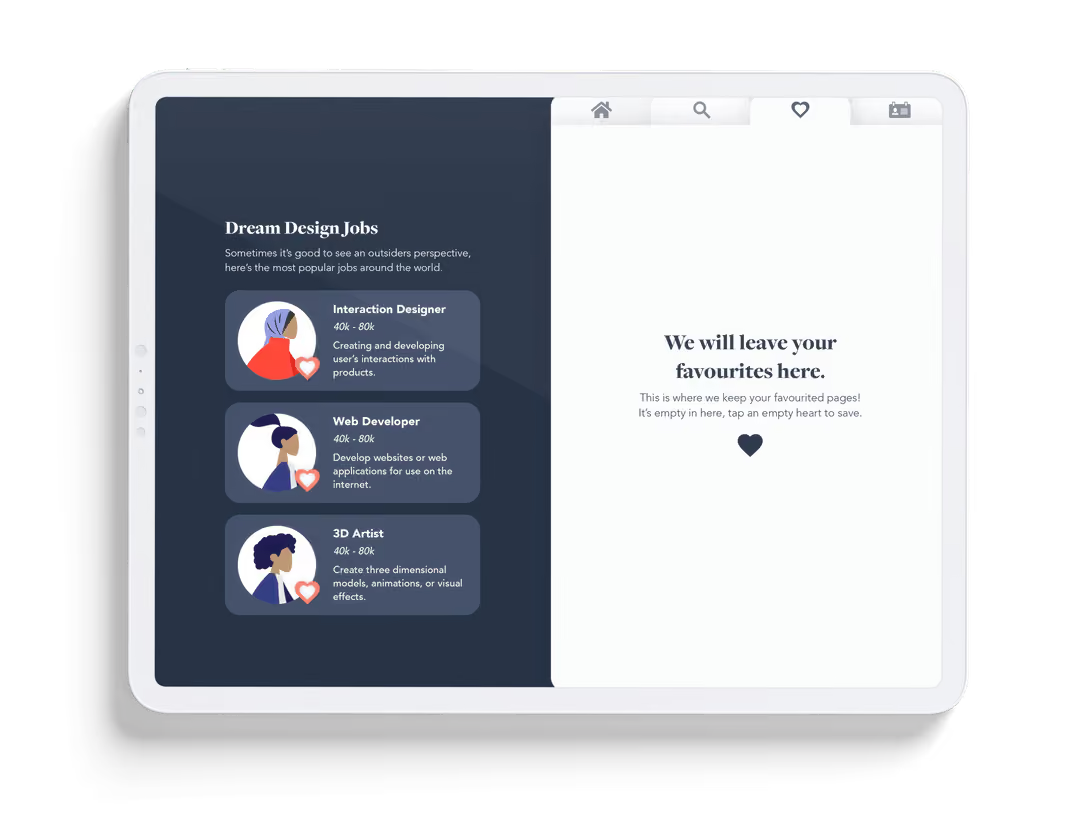
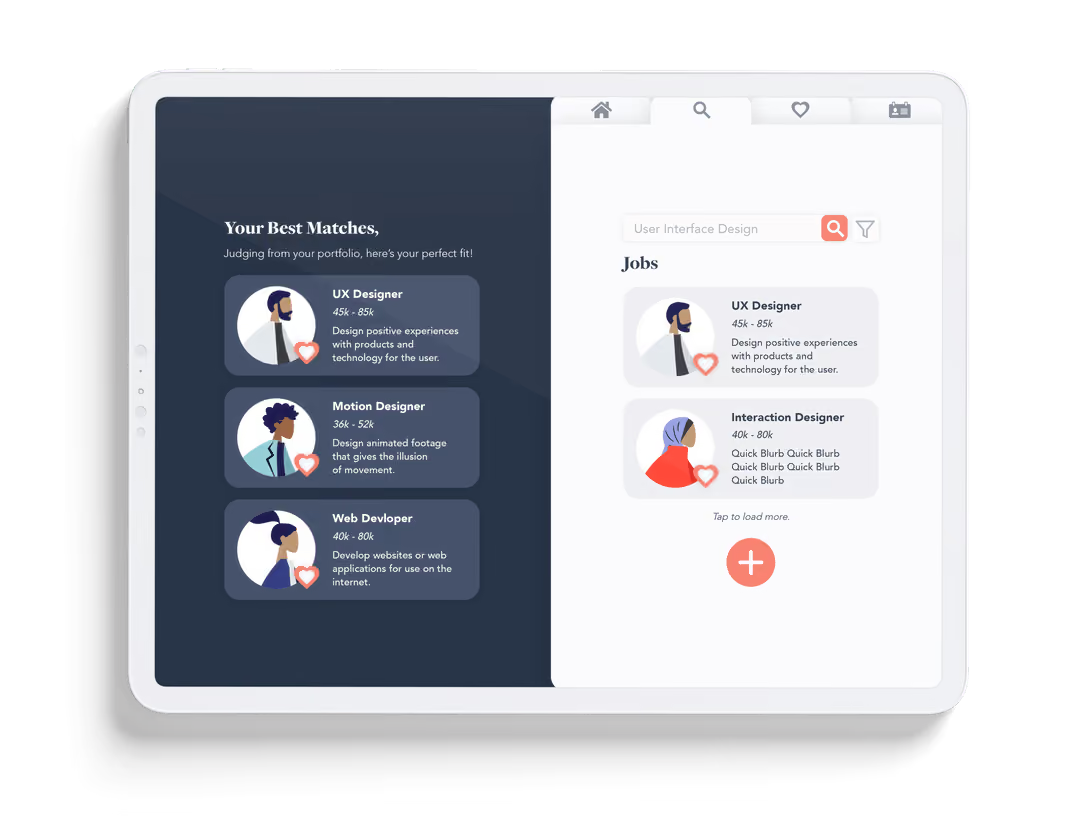
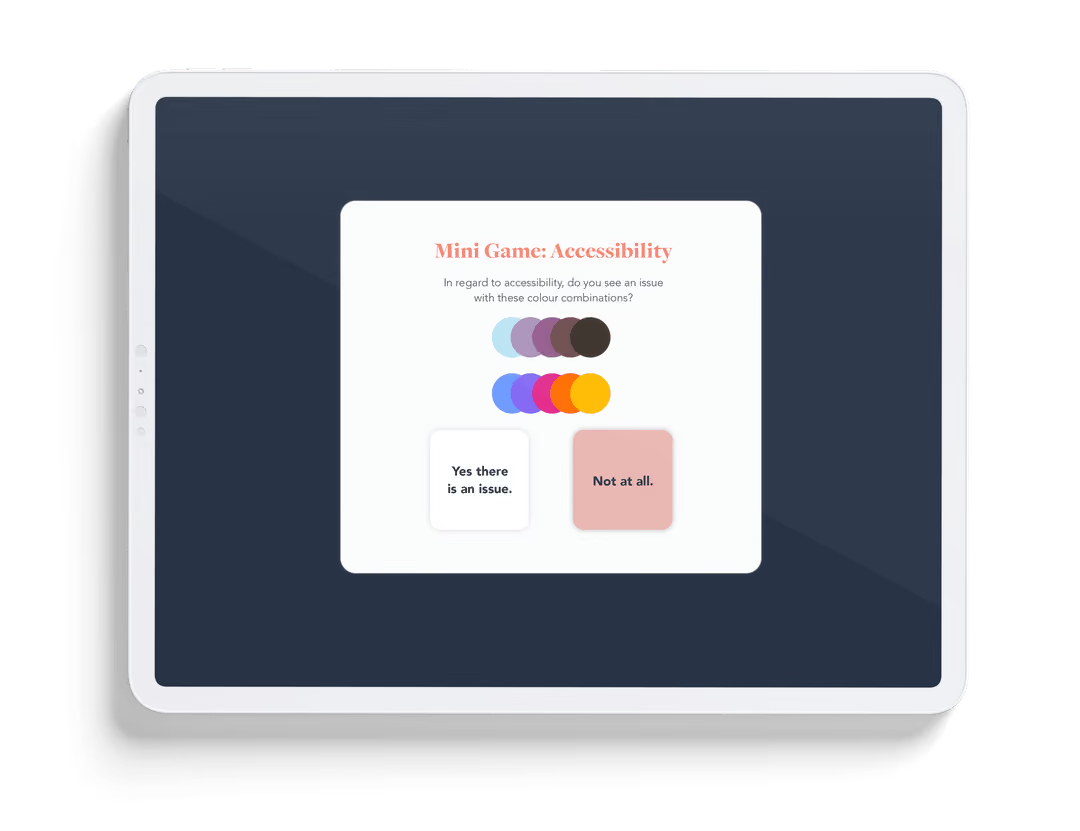
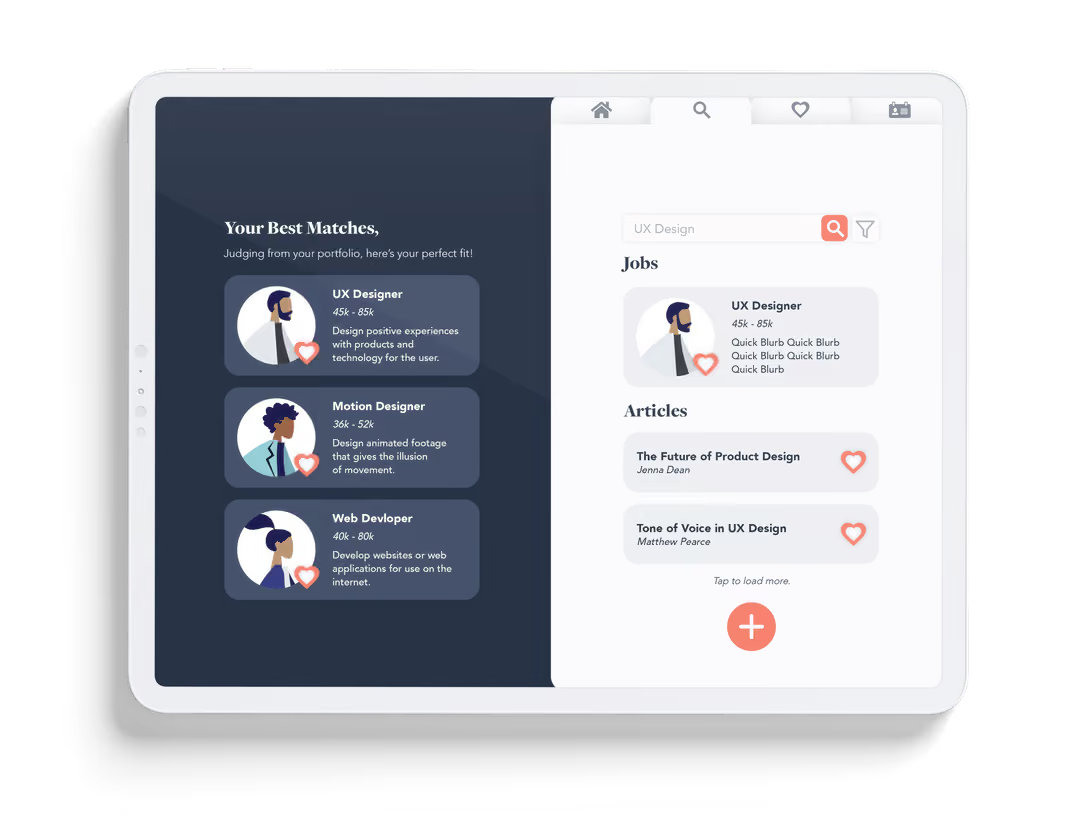
Key Improvements:
Gamification: gave students a clear, motivating reason to explore (badges tied to progress, not just decoration).
Redesigned layout and flow: moved to a single-column structure that made better use of space and clarified what each screen was for.
Community and social features: added a social layer, since high schoolers are inherently social and peer influence plays a big role in how they explore ideas and make decisions.
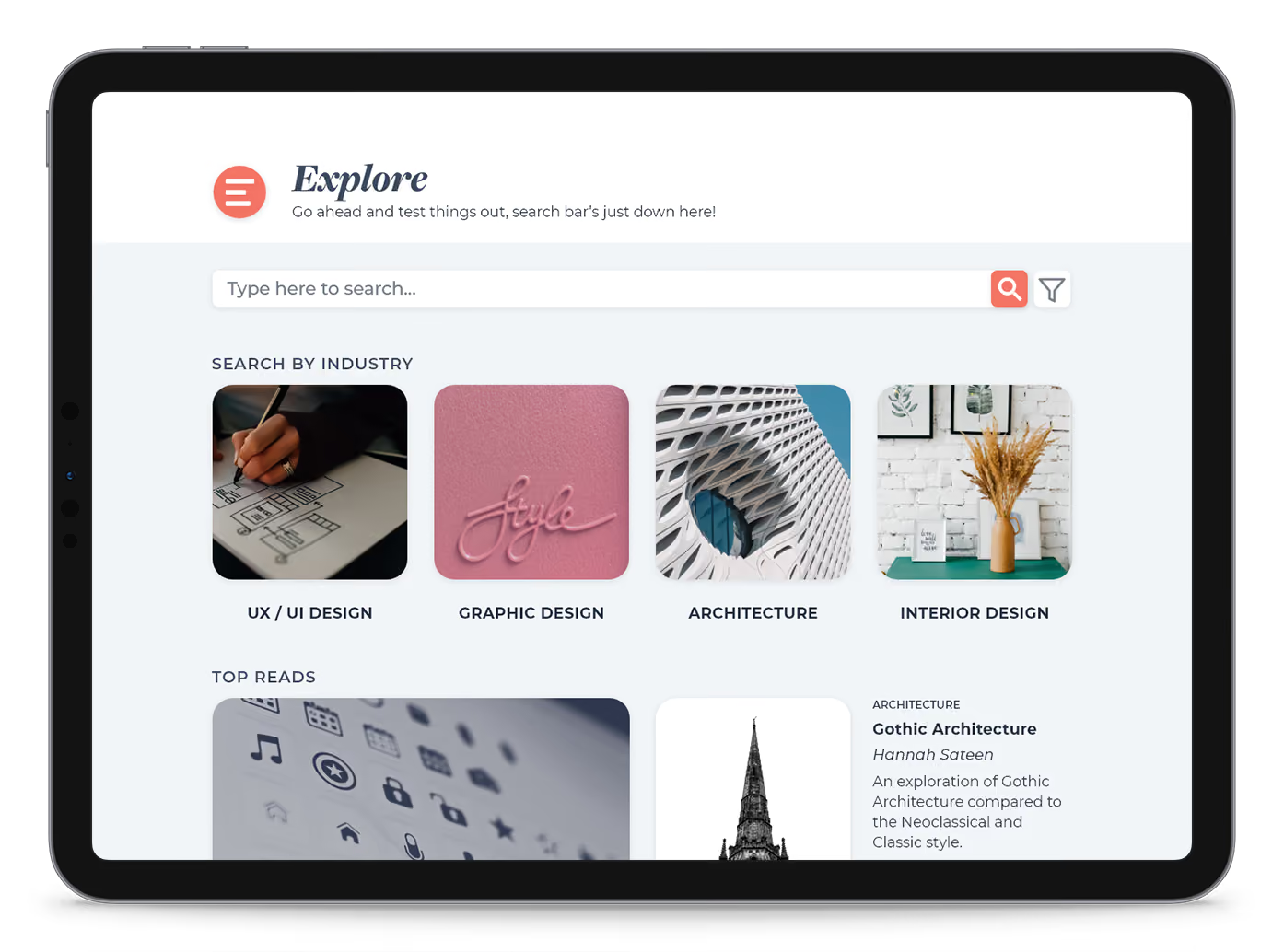
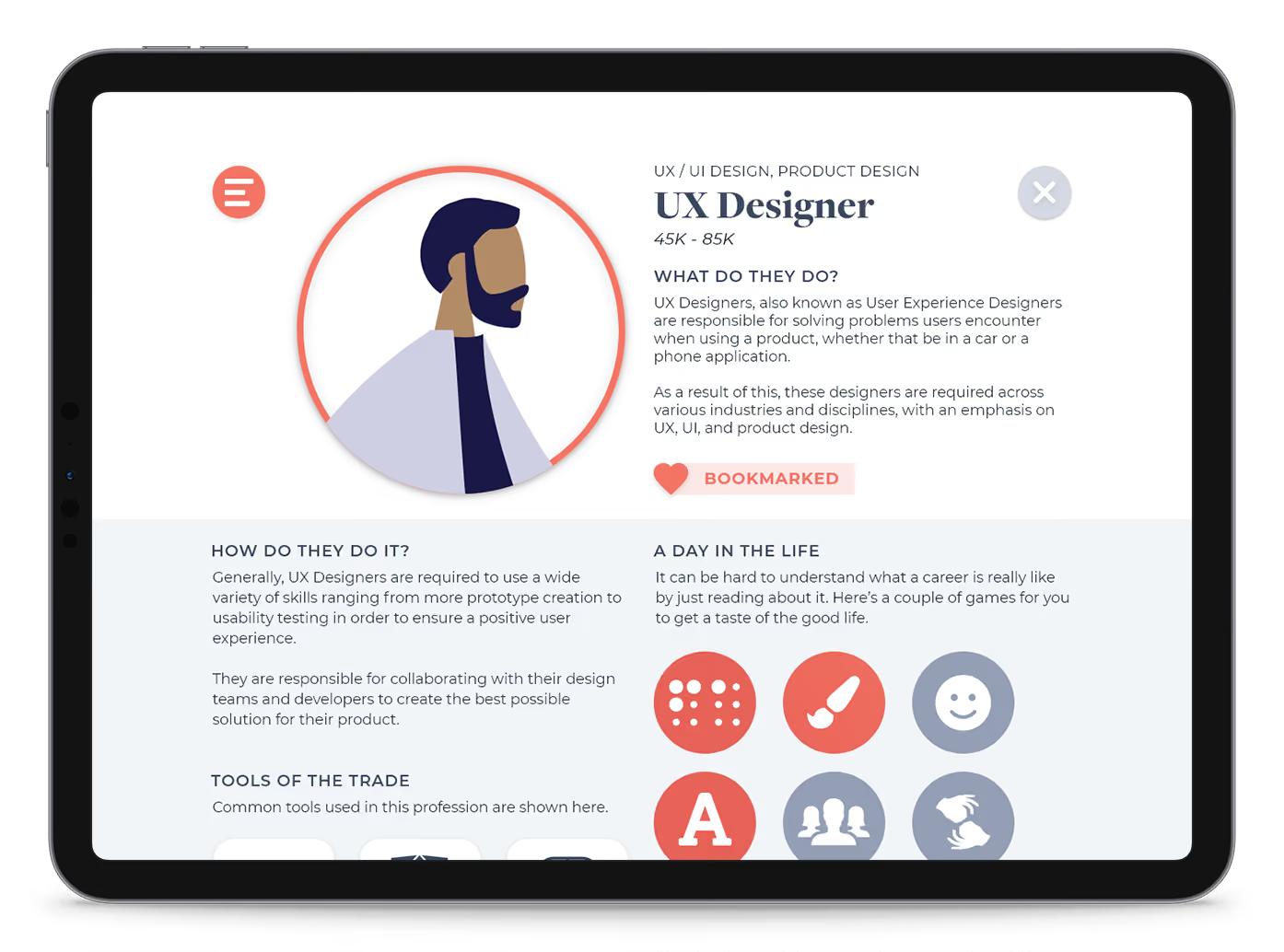
Working under a tight timeline forced us to let go of perfection and focus on what mattered most — which, in hindsight, made for a more decisive final product.