Introduction

Making Light Touchable: Transforming Static Spaces into Interactive Canvases

An interactive 3D projection-mapped installation designed to transform a static structure into a living, tactile experience. The project aimed to bridge the gap between the digital world and physical spaces, sparking curiosity and connection through light, motion, and touch.

Duration

2 Weeks

Role

Creative Technologist, TouchDesigner Developer, Arduino Dev.

Tools

TouchDesiger, Arduino Uno

Challenge

Breaking Through Digital Fatigue

In a world of constant scrolling and instant access to infinite content, audiences are harder than ever to truly engage. How do you grab the attention of a generation that grew up alongside the internet? The challenge was to create something that could stop people in their tracks, not with another screen but with an experience that felt both familiar yet otherworldly.

Process

Designing Where Pixels Meet People

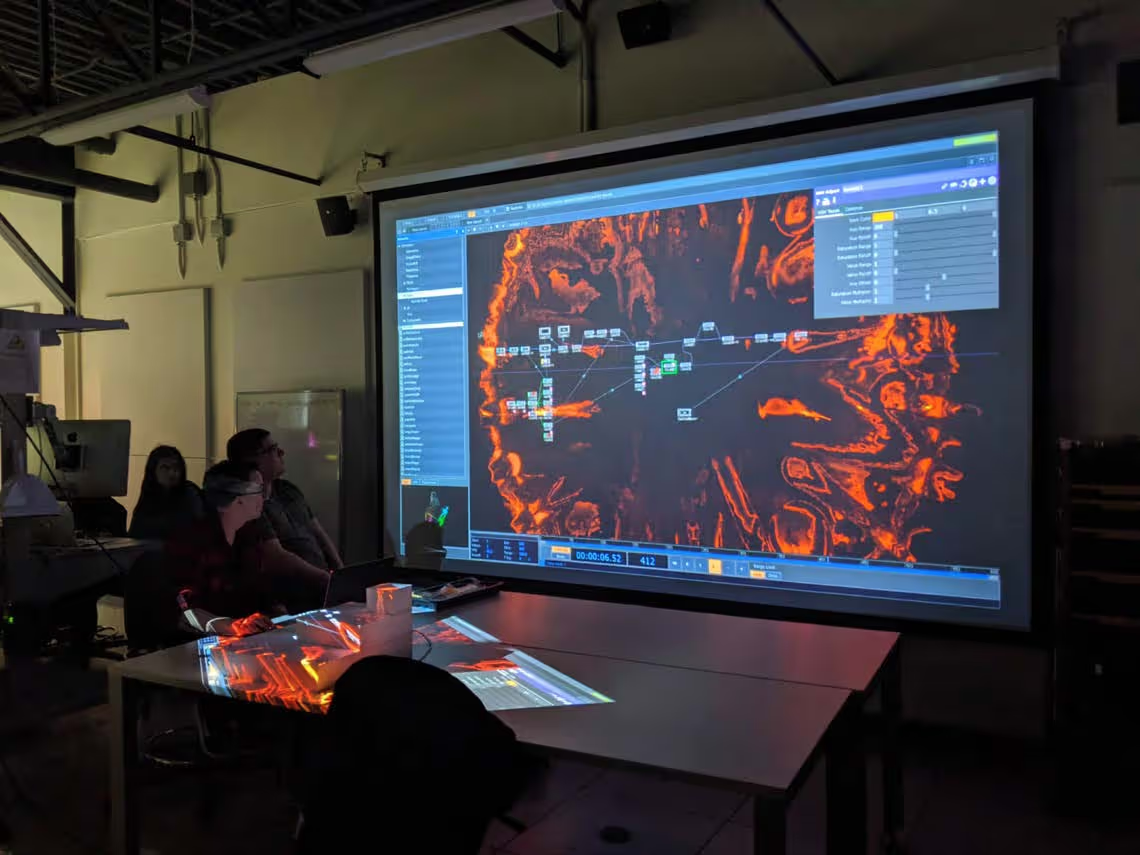
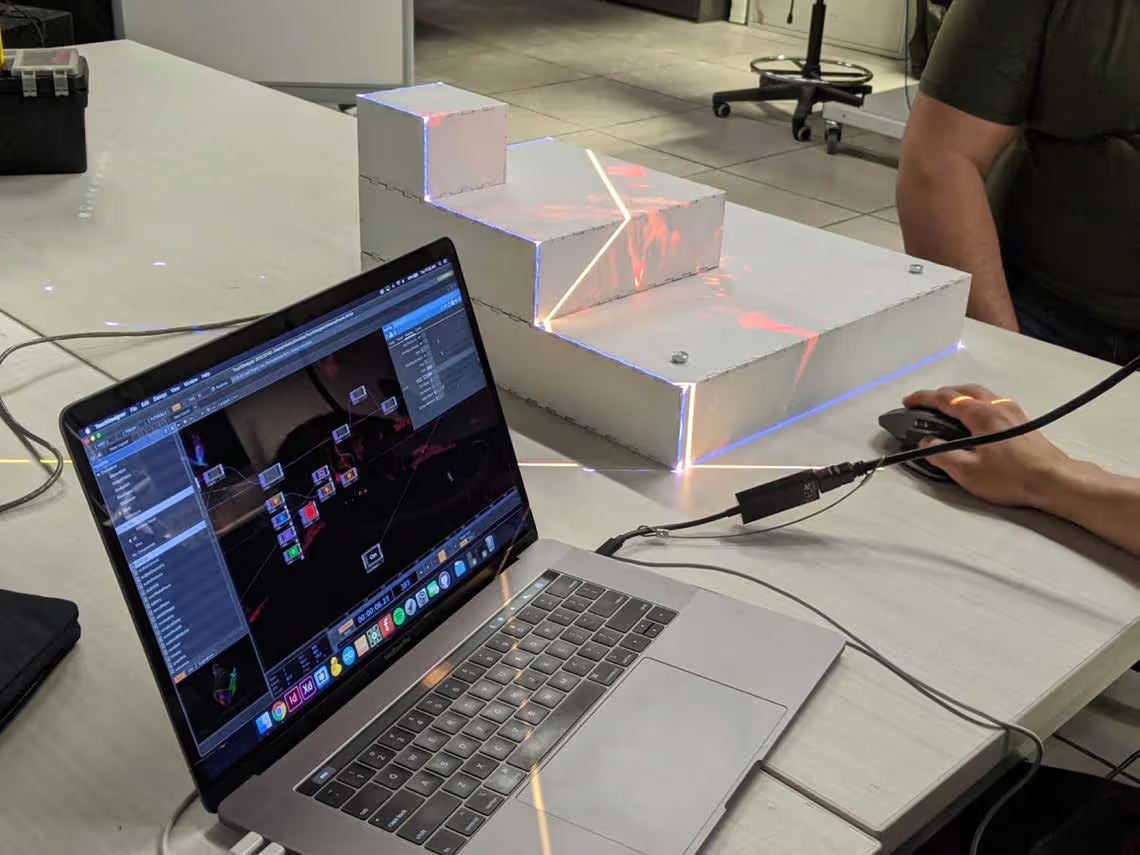
We explored how projection mapping, motion tracking, and reactive visuals could blend seamlessly with a real-world canvas. Through rapid prototyping, on-site testing, and collaborative design between myself and other designers, we developed an experience that invited people to become part of the display itself.

Insights

Attention Isn’t Given — It’s Earned Through Interaction

We discovered that audiences engage more deeply when they play an active role. The power wasn’t in the spectacle of light alone, it was in giving people agency to shape what they saw. Interaction transformed viewers from spectators into participants.

Outcome

A Living Structure That Responds to Touch

The final installation featured projection mapped visuals that responded dynamically to conductive touch points. As people interacted, the structure illuminated and evolved, creating unique patterns and movements based on each gesture.

Result

Play Becomes a Path to Connection

The real impact wasn’t just attention, it was participation. People paused, experimented, and tried to see what the structure could do. Each touch created a moment of discovery, transforming technology into a tool for connection and proving that play is still one of the most powerful ways to engage with audiences.